Sorry, we can not find any courses for this search.
You may want to check Our Hot Courses:
-60%
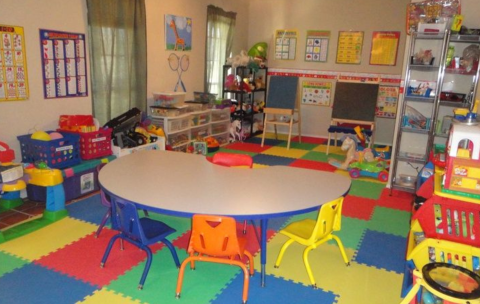
Skill Training and Capacity Building Program for Preschool Educators
What you'll learn
After completing this program, AWWs will:
Demonstrate practical teaching and facilitation skills.
Use observation and reflection to improve classroom practice.
Integrate inclusivity and empathy in child engagement.
Communicate effectively with parents, peers, and supervisors.
Utilize digital tools confidently for ECCE documentation.
Exhibit self-motivation, leadership, and professionalism.
Interactive, activity-based learning modules.
Bilingual (Tamil and English) resources and videos.
Real-life scenarios and role-play for skill practice.
Project-based certification ensuring measurable outcomes.
Continuous mentoring support through WhatsApp groups or LMS.

-50%
Beginner
Back to School program for Teacher Assistants in collaboration with Tamil Nadu Skill Development Corporation (Vetri Nichayam)
₹99.00₹199.00
Back to School program for Teacher Assistants in collaboration with Tamil Nadu Skill Development Corporation (Vetri Nichayam)
What you'll learn
Phase I: Foundation Skills (15 Hours) – Learn the basics of child development, classroom etiquette, school operations, and the key role of a teacher assistant.
Phase II: Practical & Technical Classroom Skills (15 Hours) – Gain hands-on skills in educational technology, computer use, supporting learning activities, and inclusive practices.
Phase III: Job Readiness & Professional Conduct (10 Hours) – Prepare for employment through resume building, interview skills, professionalism, and real classroom simulations.
-50%
Intermediate
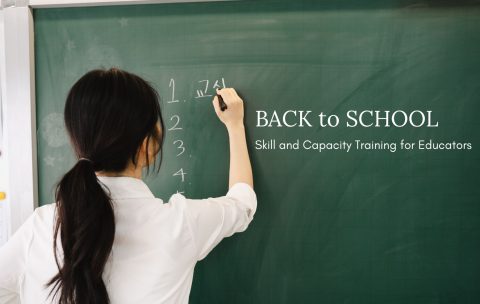
Back to School For Teachers in collaboration with Tamil Nadu Skill Development Corporation (Vetri Nichayam).
₹99.00₹199.00
Back to School For Teachers in collaboration with Tamil Nadu Skill Development Corporation (Vetri Nichayam).
What you'll learn
Phase I: Foundation Skills (20 Hours) – Build core teaching skills in communication, pedagogy, assessment, child development, and creative tools.
Phase II: Advanced Pedagogical Competence (20 Hours) – Deepen teaching methods with inclusive strategies, tech integration, and reflective practices.
Phase III: Placement Readiness (20 Hours) – Prepare for jobs with resume building, interview skills, emotional intelligence, and teaching demos.

Counselling and Guidance for Educators
What you'll learn
Foundations of Counselling in Education
Understand the role of educators in providing guidance and emotional support, and differentiate between counselling, guidance, and therapy.
Child and Adolescent Psychology
Learn about developmental stages, behavioural patterns, and how to identify emotional or learning challenges in students.
Effective Communication Skills
Develop active listening, empathy, and non-judgmental communication to build trust with students and parents.
Handling Classroom and Emotional Issues
Gain practical tools to address academic stress, bullying, behavioural problems, and emotional crises with sensitivity.
Ethical Practices and Referral Skills
Know when to counsel, when to refer, and how to maintain professional boundaries and confidentiality.

Counselling Children: A Practical Introduction _Starts January 11, 2025
What you'll learn
Understand Core Principles of Child Counselling : Gain foundational knowledge of child psychology, emotional development, and behavioural patterns.
Apply Practical Counselling Frameworks : Learn structured approaches to initiate and conduct effective child counselling sessions.
Develop Key Child-Centred Counselling Skills: Master age-appropriate communication, rapport-building techniques, and active listening strategies.
Use Evidence-Based Strategies and Tools: Explore therapeutic methods like play-based interventions, storytelling, drawing, and role-play.
Handle Ethical and Sensitive Issues in Child Counselling: Understand boundaries, confidentiality, and how to respond to disclosures and crisis situations.
Design and Execute Child Counselling Projects: Apply learning through guided projects and assignments that reflect real-life school scenarios.

Resilient Therapy: Working with Children and Families – Starts December 7th 2025
What you'll learn
Fundamentals of Resilient Therapy : Understand resilience as a dynamic process in the context of adversity and family systems.
Tools and Techniques for Resilience-Building: Gain practical strategies to strengthen emotional and psychological coping in children.
Real-Life Applications and Case Studies: Learn how resilience plays out in real therapeutic and educational settings.
Working with Vulnerable Children and Families : Support children facing trauma, poverty, or instability through evidence-based interventions.
Design and Execution of Resilience-Based Projects :Apply your learning to real or simulated contexts through guided assignments.